
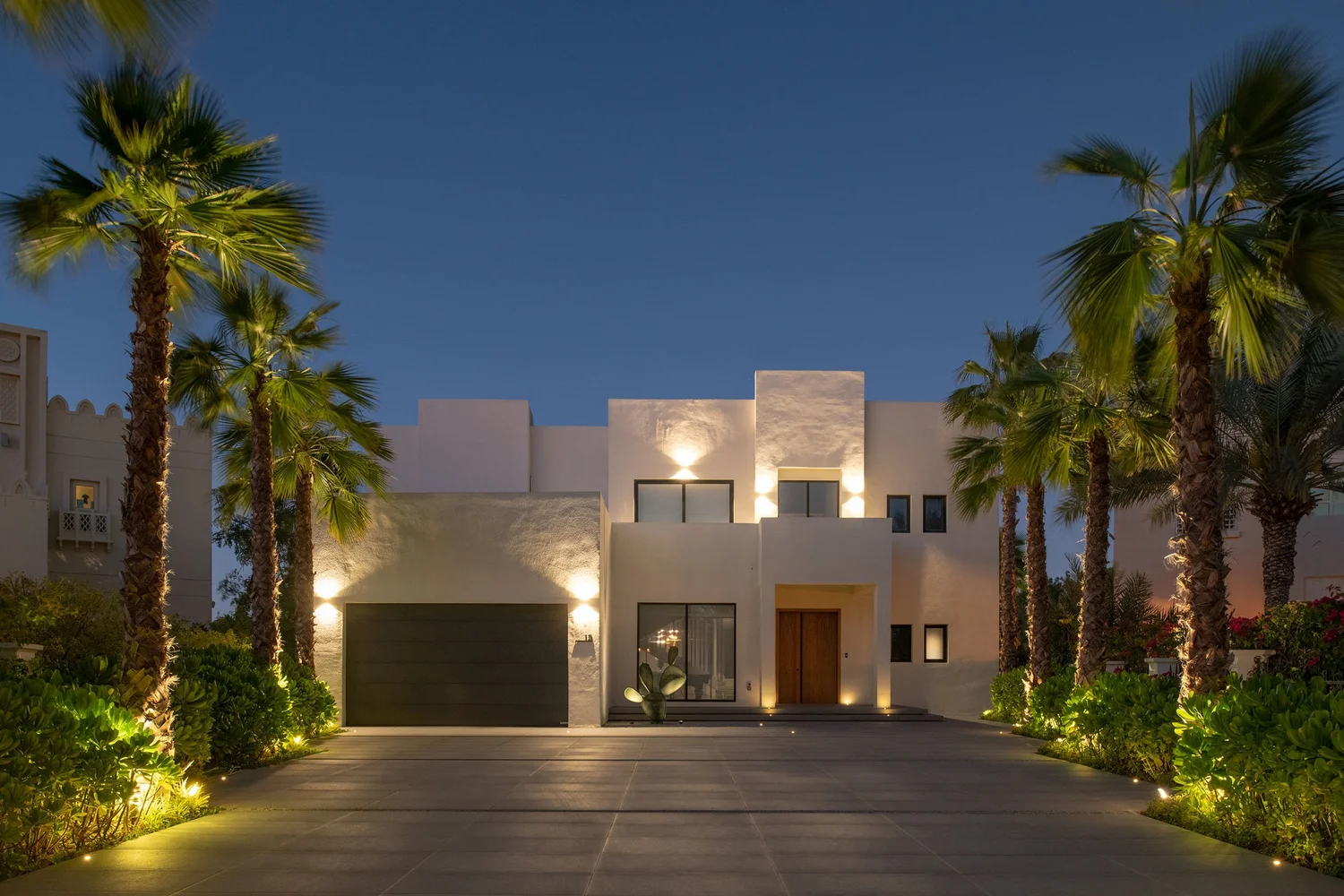
A beautiful lighting plan can become surprisingly complicated when a site includes steep slopes, mature trees, multiple structures, water features, narrow pathways, or difficult access points. Standard fixtures and simple layouts may struggle to deliver consistent illumination across these conditions without creating glare, shadows, or maintenance challenges. Complex sites need careful planning, precise placement, and equipment suited to the environment.
High end landscape lighting can bring these elements together to create a refined outdoor setting that remains functional, balanced, and visually striking.
Reading the site first
Complex sites call for assessment before fixture placement. Designers examine elevation changes, hard surfaces, planting, structures, access points, and electrical routes. Sloped ground may send light in unexpected directions, while dense planting can block beams.
Teams select positions according to sightlines, mounting heights, and visual focus. This process gives each zone purpose and prevents bright spots from competing with darker areas.
Working with elevation changes
Slopes and terraces introduce different lighting angles across the same outdoor setting. Designers use adjustable fixtures, varied mounting heights, and controlled beam spreads to maintain consistent illumination.
Uplights can highlight vertical surfaces, while low fixtures can define steps and edges without glare. Each elevation receives a suitable light level, helping people move comfortably while preserving architecture.
Handling trees and planting
Mature trees add visual depth, but trunks, branches, and foliage influence beam placement. Lighting specialists position fixtures to reveal texture without shining harsh light into windows or seating areas.
They may use narrow beams for trunks and broader spreads for foliage. Fixture locations also account for future plant growth, so the installation remains as the garden develops.
Solving hardscape challenges
Retaining walls, stone features, steps, and irregular paving introduce technical concerns. Fixtures must sit securely, resist exposure, and direct light toward useful surfaces. Recessed fittings provide discreet illumination along steps, while wall mounted or ground mounted units highlight architectural details.
Proper spacing keeps the scene balanced and reduces glare across patios, walkways, and gathering areas.
Managing water features safely
Pools, fountains, and streams demand equipment and precise placement. Lighting teams select fixtures suited to wet locations and follow appropriate electrical safety standards. Underwater lights can highlight moving water, while nearby fixtures illuminate edges and surrounding surfaces.
The final result supports visibility and atmosphere without allowing reflections or excessive brightness to dominate the setting.